Localized Cryogenic Burns Risk

Aug 6, 2025 By

The human body's interaction with extreme cold presents unique medical challenges that often go overlooked in everyday safety discussions. While frostbite remains the most widely recognized cold-related injury, a lesser-known but equally dangerous phenomenon called localized cryogenic burns (or cold burns) poses significant risks in both industrial and domestic settings. These injuries occur when skin or underlying tissues freeze upon contact with supercooled surfaces or substances, triggering cellular damage that mirrors thermal burns in both appearance and healing complications.

Unlike generalized hypothermia which affects the entire body, localized cryogenic burns target specific areas - typically the hands, face, or any exposed skin that makes direct contact with freezing materials. The injury mechanism involves ice crystal formation within cells, which ruptures membranes and disrupts blood flow. What makes these injuries particularly insidious is their deceptive onset; victims often don't immediately recognize the damage because cold numbs nerve endings. By the time pain signals emerge, tissue destruction may already be substantial.

Industrial environments harbor numerous cryogenic burn hazards that workers frequently underestimate. Liquid nitrogen (-196°C), dry ice (-78.5°C), and compressed CO2 all present substantial risks during handling. The aerospace industry faces particular challenges when working with cryogenic fuel components, while food processing plants using flash-freezing technologies report some of the highest incidence rates. Even brief contact with uninsulated pipes carrying refrigerants can cause immediate freezing of epithelial layers.

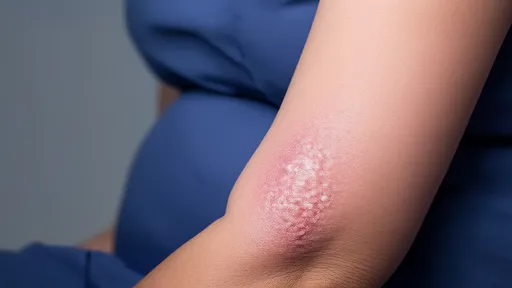
Medical professionals observe that cryogenic burns often present with distinct progression patterns. The affected area typically appears waxy and pale during initial exposure, later developing clear demarcation lines similar to thermal burns. As tissues thaw, severe edema and blistering occur, sometimes accompanied by compartment syndrome in deeper injuries. Unlike heat burns which trigger immediate inflammatory responses, the delayed reaction in cold burns frequently leads to underestimation of injury severity during initial triage.

Treatment protocols for cryogenic burns require specialized approaches that differ from both thermal burn care and frostbite treatment. Rapid rewarming in water baths maintained at 40-42°C (104-107.6°F) remains the gold standard, but this must be carefully controlled to avoid additional tissue damage. The rewarming process itself often proves intensely painful, requiring substantial analgesia. Perhaps most counterintuitive to first responders is the critical prohibition against rubbing affected areas - a common instinct that can exacerbate cellular damage in frozen tissues.

Preventive measures in occupational settings demand rigorous engineering controls and personal protective equipment (PPE) standards. Insulated gloves rated for cryogenic exposure, face shields, and specialized aprons constitute minimum requirements when handling extremely cold materials. Safety training must emphasize that ordinary winter gloves provide virtually no protection against industrial cryogens - a dangerous misconception that contributes to many preventable injuries. Engineering solutions like vapor barriers and automated handling systems have proven effective in reducing direct contact scenarios.

The long-term consequences of cryogenic burns often surprise patients during recovery. Many experience lasting neuropathic pain or abnormal cold sensitivity in affected areas, sometimes persisting for years. Severe cases may require surgical debridement or even amputation when deep tissue necrosis occurs. Rehabilitation frequently involves desensitization therapy and careful monitoring for late-onset complications like fibrosis or contractures that can impair mobility.

Emerging research suggests certain populations face elevated risks from cryogenic exposure. Diabetic patients with peripheral neuropathy prove particularly vulnerable due to diminished sensation in extremities. Similarly, individuals taking beta-blockers or other medications that affect peripheral circulation may sustain more severe injuries from identical exposures compared to healthy counterparts. These findings have prompted calls for enhanced medical screening in occupations involving cryogen handling.

Public awareness campaigns struggle against widespread misconceptions about cold injuries. Many people mistakenly believe that brief contact poses minimal risk, unaware that certain cryogens can cause irreversible damage in under five seconds of exposure. Educational initiatives now emphasize the "triple threat" of cryogens - their ability to freeze tissue, displace oxygen, and create high-pressure hazards simultaneously. This holistic understanding proves crucial for developing proper respect for these materials without fostering counterproductive fear.

Technological advancements continue reshaping cryogenic safety landscapes. New phase-change materials in PPE offer improved protection while maintaining dexterity, a critical factor for precision work. Thermal imaging systems now help safety officers detect developing cold injuries before visible symptoms appear. Perhaps most promising are the bioengineered skin substitutes specifically designed for cryogenic burn treatment, showing remarkable success in preserving tissue viability when applied during early treatment phases.

The medical community increasingly recognizes cryogenic burns as a distinct injury category requiring specialized protocols. Current research focuses on improving early diagnostic methods, including biomarkers that might predict tissue salvageability. Meanwhile, occupational safety organizations worldwide are working to standardize training programs and equipment specifications for cryogen handling - an overdue development given the expanding use of ultra-cold technologies across multiple industries.

As liquid natural gas becomes more prevalent in energy sectors and cryogenic applications expand in high-tech fields, understanding localized freezing injuries grows increasingly vital. What was once considered a niche occupational hazard now demands broader recognition in both medical practice and public safety education. The complex pathophysiology of these injuries continues to challenge clinicians while driving innovation in both treatment and prevention strategies.

Recommend Posts
Fitness

Fitness Meme Generation Guide

By /Aug 6, 2025

The internet has birthed countless fitness memes that perfectly capture the universal struggles of gym-goers. From "leg day excuses" to "post-workout protein shakes that could double as cement mixers," these visual jokes have become a language of their own. But what makes a fitness meme truly shareable? Let's dive into the anatomy of viral workout humor.
Fitness

Calorie Consumption Measurement for Household Chores

By /Aug 6, 2025

Most people associate calorie burning with sweating it out at the gym or pounding the pavement for a run. But what if we told you that scrubbing your bathroom or vacuuming the living room could contribute significantly to your daily energy expenditure? Through meticulous measurement and real-world testing, we've uncovered just how effective everyday household tasks can be for staying active.
Fitness

Divine Melody Card Point Training Playlist

By /Aug 6, 2025

The world of fitness has always been intertwined with music, but the latest trend taking gyms and home workouts by storm is the divine beat training playlist phenomenon. Unlike traditional workout mixes, these playlists are meticulously crafted to synchronize with high-intensity interval training (HIIT), creating a seamless flow between movement and rhythm. The result? A workout that feels less like a chore and more like a spiritual experience.
Fitness

Global Bizarre Fitness Awards

By /Aug 6, 2025

In an era where conventional gym routines have become monotonous for many, fitness enthusiasts worldwide are inventing increasingly peculiar ways to stay in shape. From goat yoga in Oregon to underwater cycling in London, the global fitness scene has transformed into a carnival of human imagination. These unconventional workouts aren't just about burning calories—they represent cultural expressions, challenge physical limits, and occasionally blur the line between genius and madness.
Fitness

Stationery Fitness Method (Pencil Holder Squats)

By /Aug 6, 2025

In the bustling world of modern office life, where hours are spent hunched over keyboards and screens, a peculiar yet effective fitness trend has emerged: stationery workouts. Among these, the humble "pen holder squat" has gained surprising traction as a stealthy way to incorporate movement into sedentary routines. This deceptively simple exercise transforms an everyday desk object into a tool for physical wellness, proving that fitness opportunities lurk in the most unexpected places.
Fitness

Fitness Ring Intensity Cheat Codes"

By /Aug 6, 2025

The fitness gaming revolution has brought innovative ways to stay active, with Nintendo's Ring Fit Adventure standing out as a prime example. However, as with any system that tracks progress, some users have sought ways to manipulate the game's intensity settings for easier workouts or faster progression. The emergence of so-called "cheat codes" for adjusting Ring Fit's intensity has sparked debates within the gaming and fitness communities.
Fitness

Top List of Viral Actions That Harm the Body

By /Aug 6, 2025

The rise of social media has brought with it a new wave of fitness trends, many of which are popularized by influencers and fitness enthusiasts. While some of these viral movements promise quick results or impressive feats, not all are created equal—and some may even pose serious risks to physical health. A closer look at the most notorious "influencer exercises" reveals a troubling pattern of injuries, strains, and long-term damage that often goes unmentioned in the pursuit of likes and shares.
Fitness

Designing an Obstacle Course for Feline Masters

By /Aug 6, 2025

The world of pet entertainment has taken a fascinating turn with the rise of obstacle course designs tailored specifically for feline companions. Cat owners and enthusiasts are increasingly investing time and resources into creating elaborate, stimulating, and safe obstacle courses that challenge their pets both physically and mentally. These courses, often referred to as "cat agility" or "feline obstacle" setups, have evolved from simple homemade structures to professionally designed tracks that mimic the complexity of dog agility courses but with a distinctly feline twist.
Fitness

Bubble Wrap Stress Relief Training

By /Aug 6, 2025

In an era where stress has become an inevitable companion in our daily lives, people are constantly seeking unconventional yet effective methods to unwind. Among these, the simple act of popping bubble wrap has emerged as an unexpectedly popular stress-relief technique. What began as a playful activity has now gained recognition from psychologists and wellness experts alike, transforming how we perceive this mundane packaging material.
Fitness

Dream of the Red Chamber Health Exercises Modern Edition

By /Aug 6, 2025

The ancient Chinese classic Dream of the Red Chamber is not only a literary masterpiece but also a treasure trove of traditional health practices. Among its many gems is the concept of a holistic exercise routine practiced by the aristocratic families of the Qing Dynasty. Today, this centuries-old tradition has been revitalized into a modernized version of the Dream of the Red Chamber health exercises, blending classical wisdom with contemporary wellness needs.
Fitness

Cardiac Arrhythmia Caused by Energy Drinks

By /Aug 6, 2025

The growing popularity of energy drinks has sparked concerns among health professionals, particularly regarding their potential link to cardiac arrhythmias. These beverages, often marketed as performance enhancers, contain high levels of caffeine, sugar, and other stimulants that may disrupt the heart's normal rhythm. While occasional consumption may seem harmless, emerging evidence suggests that frequent intake could pose serious risks to cardiovascular health.
Fitness

Fainting Case During Fasting Morning Run

By /Aug 6, 2025

The sun had barely risen when Mark, a 32-year-old avid runner, laced up his sneakers for his daily 10K. As someone who prided himself on discipline, he always trained on an empty stomach, believing it maximized fat burning. But halfway through his route, his vision blurred. The trees swayed unnaturally, his legs turned to lead, and before he knew it, he was staring at the pavement—his body having betrayed him mid-stride. Mark’s story isn’t unique. Emergency rooms and sports clinics increasingly report cases of runners collapsing during fasted cardio, particularly in the early hours. This phenomenon, often dismissed as simple dehydration or low blood sugar, reveals complex physiological interactions between fasting, circadian rhythms, and cardiovascular demands.
Fitness

20,000 Daily Steps Leading to Cartilage Wear"

By /Aug 6, 2025

The idea that walking 20,000 steps a day could lead to cartilage wear and tear has become a topic of heated debate among health enthusiasts and medical professionals alike. While walking is often touted as one of the safest and most accessible forms of exercise, concerns about its long-term impact on joint health have surfaced, particularly for those who push their daily step counts into the extreme. The discussion isn’t just about the number of steps but also about how individual factors like body weight, gait, and pre-existing conditions play a role in either protecting or damaging the cartilage over time.
Fitness

Excessive Stretching Leading to Ligament Laxity

By /Aug 6, 2025

The human body is a marvel of engineering, with ligaments playing a crucial role in maintaining joint stability. These fibrous bands of connective tissue are designed to withstand tremendous forces, yet they are not invincible. Overstretching ligaments can lead to a condition known as ligamentous laxity, where the ligaments become excessively loose, compromising joint integrity. This phenomenon is more common than many realize and can have lasting consequences on mobility and quality of life.
Fitness

Localized Cryogenic Burns Risk

By /Aug 6, 2025

The human body's interaction with extreme cold presents unique medical challenges that often go overlooked in everyday safety discussions. While frostbite remains the most widely recognized cold-related injury, a lesser-known but equally dangerous phenomenon called localized cryogenic burns (or cold burns) poses significant risks in both industrial and domestic settings. These injuries occur when skin or underlying tissues freeze upon contact with supercooled surfaces or substances, triggering cellular damage that mirrors thermal burns in both appearance and healing complications.
Fitness

Medical Appraisal of Muscle-to-Fat Conversion

By /Aug 6, 2025

The concept of muscle-to-fat conversion has long been a subject of both scientific curiosity and medical concern. Unlike popular fitness myths, this biological process involves complex metabolic pathways that are still being unraveled by researchers. The medical community has increasingly focused on understanding the clinical implications of such transformations, particularly in cases of aging, hormonal disorders, or prolonged physical inactivity. What was once dismissed as an inevitable consequence of lifestyle choices is now recognized as a nuanced physiological phenomenon with significant diagnostic value.
Fitness

Protein Powder Clumping Experiment

By /Aug 6, 2025

The phenomenon of protein powder clumping during preparation has long frustrated fitness enthusiasts and nutritionists alike. What begins as a simple process of mixing powder with liquid often results in stubborn lumps that refuse to dissolve completely. This seemingly minor inconvenience actually reveals complex interactions between protein molecules, liquid viscosity, and mixing techniques that deserve closer examination.
Fitness

Rib Deformation with Waistband X-ray

By /Aug 6, 2025

The human rib cage, a complex structure of bones and cartilage, serves as a protective fortress for vital organs. Among its many fascinating aspects, the phenomenon of costal flaring—often colloquially referred to as "flared ribs"—has garnered attention in both medical and fitness communities. This condition, where the lower ribs protrude outward abnormally, can sometimes be detected through X-ray imaging, revealing subtle or pronounced deformities in the thoracic architecture. While some cases are congenital, others develop due to postural habits, muscular imbalances, or underlying skeletal disorders. The visual evidence provided by X-rays offers clinicians a critical tool for diagnosis and treatment planning.
Fitness

Sweatsuit Dehydration Emergency Case"

By /Aug 6, 2025

The recent surge in popularity of sweat-inducing fitness gear, particularly "sauna suits" or "sweat suits," has brought an unexpected and dangerous side effect into the spotlight: severe dehydration requiring emergency medical intervention. These cases, often involving otherwise healthy individuals, highlight the fine line between pushing physical limits and endangering one's health through extreme fluid loss.
Fitness

Risk Assessment of Lumbar Spine in Hip Twisting Exercises

By /Aug 6, 2025

The growing popularity of waist-twisting discs as a home fitness tool has raised significant questions about their safety, particularly regarding lumbar spine health. While manufacturers tout benefits like improved flexibility and core strength, independent biomechanical studies reveal a more nuanced picture of potential risks. This investigation delves into the actual spinal pressures measured during typical twisting disc use, comparing them to established safety thresholds for vertebral discs and surrounding soft tissues.