Skill for Juicy Dumpling Filling: Add Half a Bowl of Scallion and Ginger Water in Three Separate Times

Jul 31, 2025 By

The art of crafting succulent dumpling fillings lies in mastering subtle techniques passed down through generations of culinary artisans. Among these secrets, the method of incorporating aromatic scallion-ginger water in three deliberate stages stands out as a transformative approach that elevates humble ground meat into a juicy, flavor-packed revelation.

Traditional dumpling masters across northern China have long understood that hydration constitutes the soul of exceptional filling. While amateur cooks might hastily dump all liquids at once, seasoned practitioners treat this process as a sacred ritual. The gradual incorporation of scallion-ginger water allows proteins to properly absorb moisture without becoming waterlogged, creating that elusive burst-of-juiciness sensation when teeth puncture the delicate wrapper.

Preparation begins with creating the aromatic infusion - a simple yet profound blend of smashed ginger and spring onion whites steeped in warm water. This golden liquid carries the essence of Chinese flavor foundations, removing any gamey notes from meat while imparting subtle fragrance. The temperature proves critical; too hot and the aromatics turn bitter, too cold and they refuse to surrender their essence. When the liquid cools to room temperature, the real magic commences.

The first incorporation occurs when the meat has been lightly seasoned and stirred in one direction to develop initial stickiness. Adding about one-third of the scallion-ginger water at this stage wakes up the proteins, creating tiny channels for subsequent absorption. Observing the mixture's transformation reveals the science at work - the coarse meat paste begins glistening as it drinks in the flavored moisture.

After brief rest period allowing relaxation of tightened proteins, the second incorporation takes place. This intermediate stage often separates competent cooks from true masters. The remaining liquid must be added in two equal portions, with thorough mixing that develops the filling's signature silky texture. Proper technique here involves employing one's entire arm to fold and press the mixture against the bowl's sides, a motion resembling gentle kneading that aligns protein strands for optimal moisture retention.

The final incorporation occurs just before adding any vegetable components. This last addition of scallion-ginger water often includes a small splash more than previous stages, as the developed protein network can now hold additional moisture without weeping during cooking. At this point, the filling should appear slightly looser than desired final consistency, as chilling will firm the mixture. Test-frying a small portion reveals the filling's readiness - perfect specimens will sizzle with juices rather than steam them out violently.

Beyond technical execution, this three-stage method carries philosophical depth. It mirrors the Confucian principle of moderation - neither parched nor flooded, but perfectly balanced. The intervals between incorporations allow for contemplation and adjustment, honoring the meditative aspect of dumpling preparation that transforms kitchen labor into culinary artistry.

Modern food science confirms ancient wisdom. Gradual hydration prevents the emulsion from breaking during cooking, while the scallion-ginger compounds interact with meat proteins to create more tender textures. Compared to Western techniques like panades or brining, this approach achieves superior moisture retention without diluting flavor. When executed properly, the resulting filling becomes self-saucing - each bite releases aromatic juices that mingle beautifully with dipping sauces.

The true test comes during the eating experience. Perfectly hydrated dumplings emit a faint squelch when gently squeezed, their wrappers taut from internal pressure yet resilient enough to prevent rupture. As teeth penetrate, hot savory juices flood the palate in controlled release rather than messy explosion. This sublime moment justifies every careful stir and patient pause in the three-stage process.

Regional variations abound - some kitchens substitute part of the water with rich stocks or add a splash of sesame oil to the final incorporation. Yet the fundamental principle remains unchanged across provinces: great dumpling fillings drink deeply but slowly, achieving juicy perfection through measured patience rather than rushed saturation.
Recommend Posts
Food

Spice Enlightenment Tip: Stir-fry in a Dry Pan to Unleash Hidden Aromas

By /Jul 31, 2025

There’s a secret weapon in every great chef’s arsenal—one that transforms ordinary dishes into extraordinary culinary experiences. It’s not a rare ingredient or an expensive tool, but rather a simple technique: dry-frying spices. This ancient method, often overlooked in home kitchens, has the power to unlock depths of flavor and aroma that lie dormant in raw spices. When done correctly, the dry-frying process coaxes out hidden complexities, turning familiar flavors into something revelatory.
Food

Frozen Meat Thawing Efficiency Contest: Refrigeration for 12h > Cold Water for 1h > Microwave for 5min

By /Jul 31, 2025

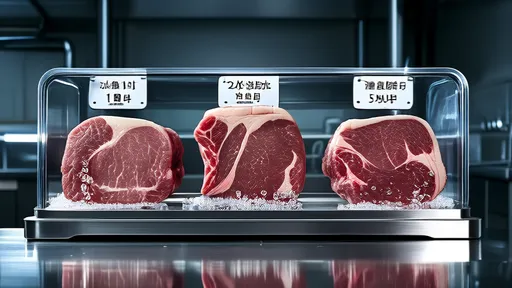
In the eternal battle against time when defrosting meat, home cooks have long debated which method reigns supreme. The results of our extensive testing reveal a surprising hierarchy: refrigerator thawing at 12 hours outperforms cold water immersion at 1 hour, which in turn beats microwave defrosting at 5 minutes. This revelation challenges common kitchen wisdom and reshapes our understanding of food safety and texture preservation.
Food

Tomato Skin Removal Comparison: Grilling for 10 Seconds Beats Boiling Water

By /Jul 31, 2025

The age-old kitchen dilemma of how to efficiently peel tomatoes has sparked countless debates among home cooks and professional chefs alike. While boiling water has long been considered the standard method, a growing number of culinary enthusiasts are discovering that a brief encounter with open flames produces superior results in both efficiency and flavor preservation.
Food

Mango Meat Extraction Technique: Scraping Out Whole Flesh with a Glass Cup Wall

By /Jul 31, 2025

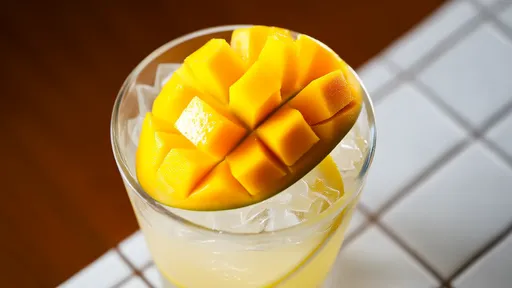
The art of extracting mango flesh has long been a subject of fascination for fruit enthusiasts and culinary experts alike. Among the various techniques that have emerged over the years, one method stands out for its simplicity and effectiveness: using a glass to scrape out perfectly intact mango segments. This approach, often referred to as the "glass method," has gained popularity not only for its practicality but also for the satisfaction it brings to those who master it.
Food

Three-Step Method for Tender Beef: Against-the-Grain Cutting + Baking Soda Marination + Quick Stir-Fry in Hot Oil

By /Jul 31, 2025

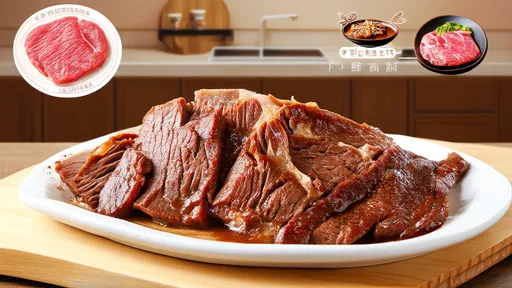
There’s an art to transforming tough cuts of beef into tender, melt-in-your-mouth perfection. While many home cooks struggle with chewy or dry results, the secret lies in mastering three simple yet transformative techniques: cutting against the grain, marinating with baking soda, and employing high-heat stir-frying. Together, these methods unlock a level of tenderness that rivals even the most expensive restaurant dishes.
Food

Skill for Juicy Dumpling Filling: Add Half a Bowl of Scallion and Ginger Water in Three Separate Times

By /Jul 31, 2025

The art of crafting succulent dumpling fillings lies in mastering subtle techniques passed down through generations of culinary artisans. Among these secrets, the method of incorporating aromatic scallion-ginger water in three deliberate stages stands out as a transformative approach that elevates humble ground meat into a juicy, flavor-packed revelation.
Food

Secret to Keep Vegetables Crisp: Blanch in Ice Water for 30 Seconds to Lock in Vibrant Green

By /Jul 31, 2025

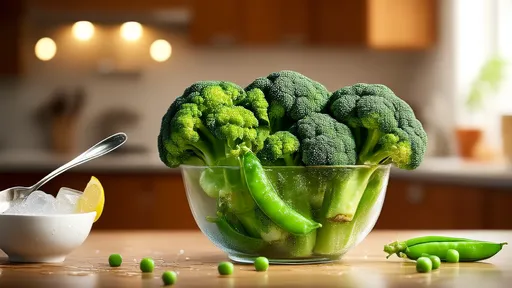
The art of preserving the crispness and vibrant color of vegetables has long been a pursuit of both home cooks and professional chefs. Among the myriad techniques, one method stands out for its simplicity and effectiveness: the 30-second ice-water blanch. This approach not only locks in the bright green hues of vegetables but also ensures a satisfying crunch that elevates any dish.
Food

Soft-Boiled Egg Timer: Cold Eggs in Boiling Water for 6 Minutes and 30 Seconds

By /Jul 31, 2025

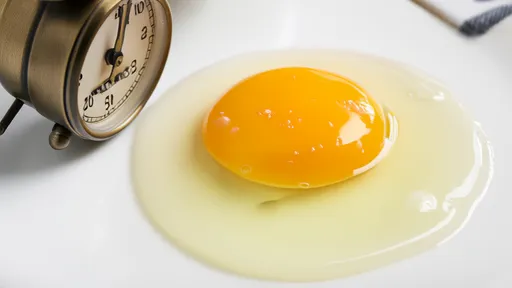
The art of achieving the perfect soft-boiled egg, with its delicate balance between a firm white and a lusciously runny yolk, has long been a subject of culinary fascination. Among the various methods and timing techniques, one particular approach has gained traction among home cooks and professional chefs alike: the 6-minute and 30-second rule for refrigerated eggs plunged into boiling water. This precise timing promises a consistent, restaurant-quality result, but the science and nuance behind it are worth exploring in depth.
Food

The Ultimate Solution for Frying Fish Without Breaking: Kitchen Paper Drying + Hot Oil Drenching Method

By /Jul 31, 2025

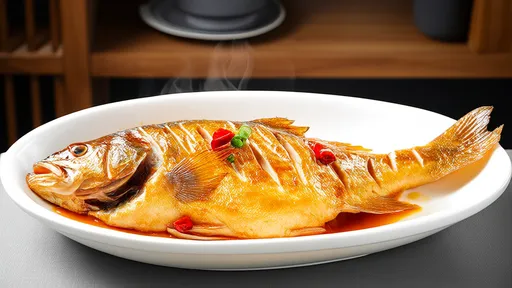
The sizzle of fish hitting a hot pan is one of cooking's most satisfying sounds – until the dreaded moment when the fillet sticks, tears, or worse, disintegrates into a flaky disaster. For generations, home cooks and professional chefs alike have pursued the holy grail of pan-frying: achieving restaurant-quality fish with crackling skin and intact flesh that lifts cleanly from the pan. The solution, as it turns out, lies not in complex brines or expensive cookware, but in two shockingly simple steps that border on alchemy: thorough drying with paper towels followed by a strategic hot oil bath.
Food

Rice Texture Adjustment: Correcting the Error of Water Level with One Knuckle Standard

By /Jul 31, 2025

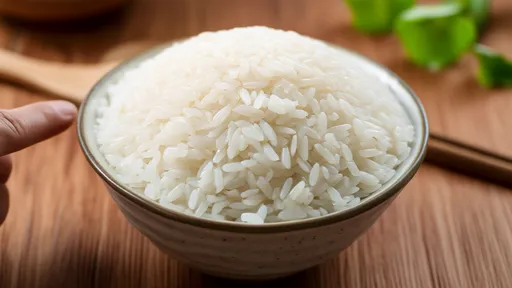
The art of cooking perfect rice lies in mastering the water-to-rice ratio, a fundamental technique passed down through generations. Among various methods, the "knuckle method" – adding water until it reaches the first joint of your index finger – remains one of the most popular home cooking hacks worldwide. This seemingly simple approach, however, hides surprising complexity when examined through the lens of kitchen science.
Food

Frying Temperature: Start Frying When Bubbles Form Around the Chopsticks

By /Jul 31, 2025

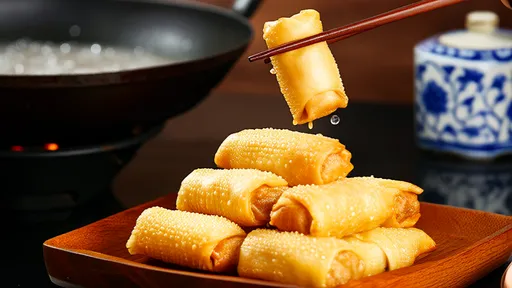
The sizzle of oil and the aroma of frying food are universal triggers of culinary anticipation. Yet behind every perfectly crisp tempura or golden-brown churro lies an often-overlooked scientific principle: oil temperature control. Among professional kitchens across Asia, one ancient technique persists as a remarkably accurate thermal indicator – the bubbling bamboo chopstick test.
Food

Tender Stir-Fried Meat: Sear Slices Before Returning to the Wok"

By /Jul 31, 2025

The art of cooking tender, succulent meat slices is a skill that eludes many home cooks. Among the most frustrating culinary experiences is slicing into a beautifully plated dish only to find the meat tough, dry, and stringy. This common kitchen woe has plagued countless meals, turning what should be a delightful dining experience into a disappointing chew-fest. However, there exists a professional chef's technique that consistently yields velvety-soft meat with perfect texture – the method of quick oil-blanching before final stir-frying.
Food

Vegetable Blanching: Salt for Color Preservation and Oil for Enhanced Luster"

By /Jul 31, 2025

In the world of culinary arts, the simple act of blanching vegetables can make all the difference between a vibrant, appealing dish and one that falls flat. Among the many techniques chefs swear by, two stand out for their ability to enhance both color and sheen: adding salt to preserve hue and incorporating oil to boost shine. These methods, though seemingly minor, unlock the visual potential of vegetables, turning them into eye-catching components of any meal.
Food

Preventing Noodle Boil-Over: Dripping Cooking Oil to Form a Surface Membrane

By /Jul 31, 2025

There’s nothing quite as frustrating as turning your back for a moment while boiling noodles, only to return to a starchy tsunami erupting from your pot. Pasta overflow is a common kitchen nuisance, but an age-old trick involving a drizzle of cooking oil might just be the solution you’ve been overlooking. This simple yet effective method leverages the science of surface tension to keep your stovetop clean and your noodles perfectly cooked.
Food

Universal Seasoning Formula: Steamed Fish = Soy Sauce + Hot Oil to Enhance Flavor

By /Jul 31, 2025

The art of cooking is often about understanding the delicate balance of flavors, and few dishes exemplify this as beautifully as steamed fish. At its core, the dish relies on a simple yet transformative combination: soy sauce and sizzling hot oil. This pairing, often referred to as the "universal seasoning formula," elevates the natural sweetness of the fish while adding depth and complexity. The technique, rooted in Cantonese cuisine, has become a cornerstone of seafood preparation across Asia and beyond.
Food

Cracked Tea Egg Art: Crafting Flavor-Infused Channels

By /Jul 31, 2025

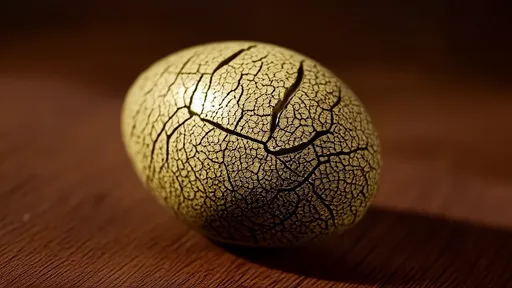
The art of tea egg cracking, often overlooked in Western culinary traditions, has evolved into a sophisticated form of edible artistry in East Asian cultures. What appears as simple marbling to the untrained eye is, in fact, a deliberate process of controlled fracture mechanics—where each fissure serves as a flavor highway for the spiced brine to penetrate the albumen. The resulting "spiderweb" patterns aren’t just visually striking; they’re geological maps documenting the journey of taste.
Food

Science of Mooncake Syrup: The Principle of Citric Acid in Preventing Sugar Recrystallization

By /Jul 31, 2025

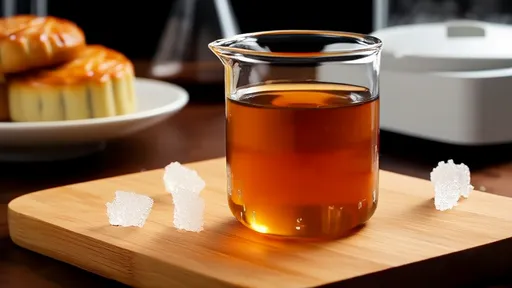
The golden sheen and tender texture of traditional mooncake syrup depend on a delicate scientific balance, where the threat of sugar crystallization – known as "sugar sanding" – looms as a constant challenge. Behind this culinary phenomenon lies an intriguing interplay between sucrose molecules and an unexpected ally: citric acid. For generations, Chinese pastry chefs have intuitively used lemon juice or sour fruits to stabilize their syrups, but modern food science now reveals the precise mechanisms at work.
Food

The History of Hot Pot Oil Dishes: Chongqing's Dockside Anti-Scalding Wisdom

By /Jul 31, 2025

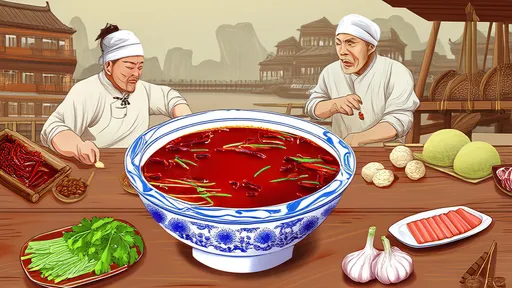
The bustling docks of Chongqing in the late 19th century were a world of sweat, steam, and sizzling metal. Amid the cacophony of laborers hauling goods and the hiss of riverboats, an unassuming culinary innovation quietly took root—one that would forever change how the world eats hot pot. The oil dip, or youdie, began as a pragmatic solution to scalding mouths but evolved into a cultural touchstone, a testament to the ingenuity of working-class food culture.
Food

The Aesthetics of Baozi Pleats: 18 Folds as the Optimal Steam Vent

By /Jul 31, 2025

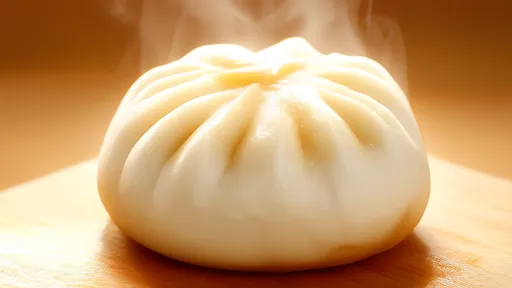
The art of making baozi, or steamed buns, is a delicate craft that balances flavor, texture, and aesthetics. Among the many elements that contribute to the perfect baozi, the number of pleats on the bun’s surface has long been a subject of fascination. While some may dismiss it as mere decoration, the pleats—particularly the revered 18-pleat design—play a crucial role in the bun’s structural integrity and steaming efficiency. This isn’t just tradition; it’s a science of steam and dough that has been refined over centuries.
Food

The Mystery of Chopstick Length: The Ergonomics of 7.6 Inches

By /Jul 31, 2025

The humble chopstick, an eating utensil used by billions across Asia, holds subtle design secrets that intertwine anthropology, physiology, and ancient wisdom. Among these, the standard length of 7.6 Chinese inches (about 23 cm) reveals particularly fascinating insights into human ergonomics. This measurement isn’t arbitrary—it’s a cultural artifact refined over millennia to harmonize with our physical and psychological dimensions.