There’s a secret weapon in every great chef’s arsenal—one that transforms ordinary dishes into extraordinary culinary experiences. It’s not a rare ingredient or an expensive tool, but rather a simple technique: dry-frying spices. This ancient method, often overlooked in home kitchens, has the power to unlock depths of flavor and aroma that lie dormant in raw spices. When done correctly, the dry-frying process coaxes out hidden complexities, turning familiar flavors into something revelatory.
Walk into any kitchen where dry-frying is practiced, and the first thing you’ll notice is the intoxicating aroma. Whole cumin seeds crackle in a hot pan, releasing their earthy perfume. Coriander seeds turn golden, their citrusy notes becoming more pronounced. Fennel seeds sweeten as they toast, while mustard seeds pop with a nutty fragrance. This alchemical transformation happens without oil, without liquid—just heat, time, and patience. The technique traces its roots to various global cuisines, from the tadka of Indian cooking to the dry-toasted spices of Mexican mole.
Why does dry heat work such magic on spices? The science lies in the volatile compounds within each seed, pod, or bark. These compounds—the essential oils that give spices their character—are often trapped within cellular structures. Heat acts as a key, breaking down these barriers and releasing aromatic molecules that would otherwise remain locked away during simple infusion or wet cooking methods. The dry environment allows for more concentrated flavor development, as there’s no water to dilute the compounds or oil to alter their balance.
The process demands attention. Unlike sautéing where oil provides some buffer against burning, dry-frying leaves no margin for error. A moment’s distraction can turn precious spices from perfectly toasted to acrid and ruined. The skilled cook learns to judge by multiple senses—the visual change in color (usually one to two shades darker), the audible cues (the subtle change in sizzling sounds), and most importantly, the evolving aroma that signals when to remove the spices from heat. This is cooking at its most elemental and immediate.
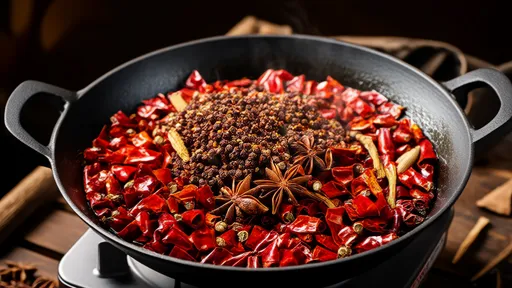
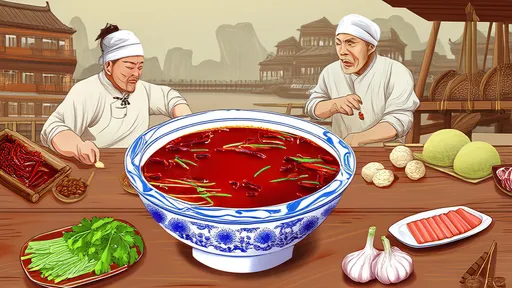
Regional variations on the technique abound. In Sichuan cuisine, whole dried chilies and peppercorns are dry-fried to create the foundation for mapo tofu’s complex heat. Middle Eastern cooks toast whole spices before grinding them for baharat or za’atar blends. Ethiopian berbere begins with dry-roasting spices like korarima and long pepper. Each culture has developed its own rhythms and combinations, but the principle remains universal: heat awakens what cold storage preserves.
Modernist chefs have taken the concept further, applying dry-heat techniques to unexpected ingredients. Some toast citrus peels to intensify their oils before incorporating them into spice mixes. Others lightly char dried mushrooms to amplify their umami potential. The basic premise—that controlled application of dry heat can transform flavor—extends far beyond traditional spice cabinets. Even ingredients like nori or dried shrimp benefit from a quick toast before use.
The aftermath of dry-frying presents another critical juncture. Freshly toasted spices begin losing their volatile compounds immediately. Some cooks advocate grinding them while still warm (allowing easier fracturing of the brittle, heated structures), while others suggest brief cooling to prevent residual heat from continuing the cooking process. Storage becomes paramount—airtight containers in cool, dark places preserve the awakened flavors longest. Many professional kitchens toast spices in small batches, sometimes daily, to ensure peak aroma.
Home cooks can easily incorporate this technique into their routine. A heavy-bottomed skillet (cast iron works beautifully) and medium heat are all that’s required. The key lies in constant motion—stirring or shaking the pan prevents hot spots that lead to uneven toasting. Starting with whole spices rather than pre-ground yields superior results, as the intact seeds and pods protect their inner compounds until the moment of toasting. Even common supermarket spices like black peppercorns or bay leaves reveal hidden dimensions when given this treatment.
The flavor impact becomes immediately apparent in finished dishes. A curry made with dry-fried whole spices tastes brighter and more nuanced than one using raw ground spices. Dry-fried cumin sprinkled over roasted vegetables carries an almost smoky depth. Toasted fennel seeds in sausage mixtures provide a sweeter, more rounded anise flavor. These differences aren’t subtle—they represent the gap between flat, one-dimensional seasoning and vibrant, layered taste experiences.
Beyond professional kitchens and ambitious home cooks, dry-frying offers particular value for those exploring plant-forward cooking. In meatless dishes where spices must carry more of the flavor burden, properly awakened spices make the difference between satisfying richness and disappointing flatness. Vegetarian dals, bean stews, and roasted vegetable medleys all reach new heights when built upon a foundation of carefully dry-fried spices.
As global spice trade makes increasingly diverse flavors available to home cooks, mastering techniques like dry-frying becomes ever more valuable. That packet of long pepper from Indonesia or grains of paradise from West Africa deserve proper treatment to show their full potential. In an era where many seek to reduce reliance on salt and sugar for flavor, unlocking spices’ hidden depths through proper technique offers a path to both healthier and more exciting eating.
The quiet ritual of dry-frying spices connects modern cooks to generations of culinary tradition. Standing over a pan, watching colors change and inhaling deepening aromas, one participates in the same transformative process that has elevated human cooking for centuries. In our age of instant gratification, it’s a valuable reminder that some of the best flavors come not from shortcuts, but from respecting ingredients enough to prepare them properly. A pinch of properly awakened spices can do what pounds of carelessly used seasonings cannot—it can make a dish memorable.
By /Jul 31, 2025

By /Jul 31, 2025

By /Jul 31, 2025
By /Jul 31, 2025
By /Jul 31, 2025

By /Jul 31, 2025
By /Jul 31, 2025
By /Jul 31, 2025
By /Jul 31, 2025
By /Jul 31, 2025
By /Jul 31, 2025
By /Jul 31, 2025
By /Jul 31, 2025
By /Jul 31, 2025
By /Jul 31, 2025
By /Jul 31, 2025
By /Jul 31, 2025
By /Jul 31, 2025
By /Jul 31, 2025
By /Jul 31, 2025
