The art of cooking tender, succulent meat slices is a skill that eludes many home cooks. Among the most frustrating culinary experiences is slicing into a beautifully plated dish only to find the meat tough, dry, and stringy. This common kitchen woe has plagued countless meals, turning what should be a delightful dining experience into a disappointing chew-fest. However, there exists a professional chef's technique that consistently yields velvety-soft meat with perfect texture – the method of quick oil-blanching before final stir-frying.
In professional Chinese kitchens, this two-step cooking process is considered fundamental for achieving restaurant-quality meat dishes at home. The technique involves briefly passing thinly sliced meat through moderately hot oil before incorporating it into the final preparation. This preliminary step, often called "passing through oil" or "oil blanching," creates a protective barrier on the meat's surface that seals in juices while ensuring even cooking. When done correctly, the results are dramatically different from the single-step stir-fry method most home cooks employ.
The science behind this technique reveals why it works so effectively. Meat becomes tough primarily due to protein fibers contracting and squeezing out moisture when exposed directly to high heat. By first cooking the meat slices in oil heated to about 300°F (150°C), the proteins coagulate gently without sudden contraction. The oil's even heat distribution prevents the cold spots that often occur when meat hits a pan's surface directly. This initial cooking phase brings the meat to about 80% doneness while maintaining its internal moisture.
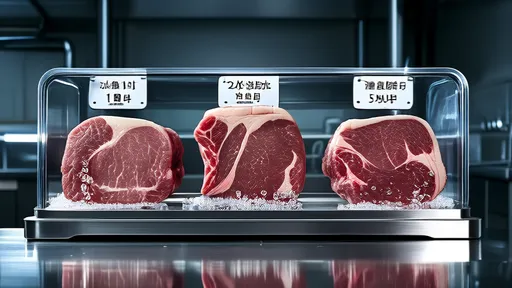
Professional chefs emphasize the importance of proper meat preparation before the oil-blanching step. Cutting against the grain remains crucial, as it shortens tough muscle fibers. Most meats benefit from being sliced about 1/8 to 1/4 inch thick – thin enough to cook quickly but thick enough to retain substance. Many chefs recommend a brief marination with cornstarch, egg white, or baking soda to further tenderize the meat and create a protective coating that prevents moisture loss during cooking.
Oil selection and temperature control make significant differences in the outcome. Chefs typically use neutral-flavored oils with high smoke points like peanut, vegetable, or canola oil. The oil should be deep enough to nearly submerge the meat slices – about 2-3 cups for typical home cooking portions. Maintaining proper oil temperature proves essential; too hot and the meat exterior toughens before the interior cooks, too cool and the meat absorbs excess oil becoming greasy. A cooking thermometer helps maintain the ideal 275-325°F (135-163°C) range.
The actual cooking process happens remarkably fast. Prepared meat slices are gently separated and added to the preheated oil, stirred briefly to prevent clumping, then removed within 30-90 seconds depending on thickness. At this stage, the meat should appear slightly underdone with a pale color – it will finish cooking during the final stir-fry. Properly executed, the meat emerges from its oil bath already tender with a velvety texture developing.
Draining the oil-blanched meat properly ensures the subsequent stir-fry doesn't become oily. Chefs recommend using a slotted spoon or strainer to remove the meat, then letting it rest on a wire rack or paper towel briefly. This step allows excess oil to drain while preventing the meat from steaming in its own heat, which could lead to overcooking. Some kitchens employ a quick shake in a fine-mesh strainer to remove every drop of excess oil before returning the meat to the wok.
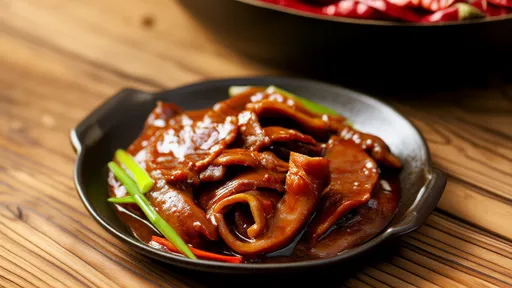
The final stir-fry stage allows for flavor development and completion of cooking. All other ingredients are prepared first – vegetables cooked to crisp-tenderness, sauces prepared, aromatics fragrant. Only then does the oil-blanched meat return to the pan or wok for its final heating. This brief reunion with heat, usually just 30-60 seconds, brings the meat to perfect doneness while allowing it to absorb accompanying flavors without further moisture loss.
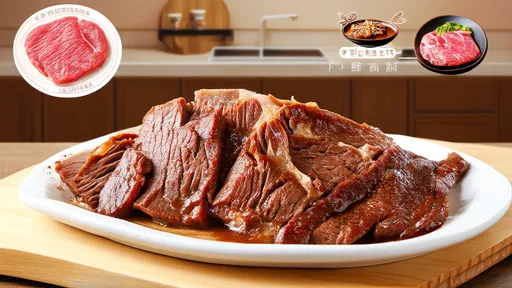
This technique works exceptionally well for lean meats prone to drying out – pork loin, chicken breast, beef flank – but also improves richer cuts. Even traditionally tender meats like filet mignon benefit from the texture consistency this method provides. The difference becomes immediately apparent when comparing single-step stir-fried chicken breast (often dry and stringy) with oil-blanched then finished chicken (juicy and tender).
Beyond texture improvement, the oil-blanching method offers practical advantages. It allows better control over doneness, as the two-stage process provides more precision than a single high-heat cooking. The technique enables preparation of larger quantities without overcrowding the pan – meat can be oil-blanched in batches then combined at the end. It also separates the cooking processes, letting home cooks focus on perfecting vegetables or sauce without worrying about overcooking the protein component.
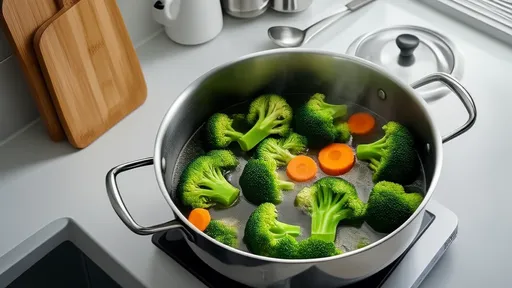
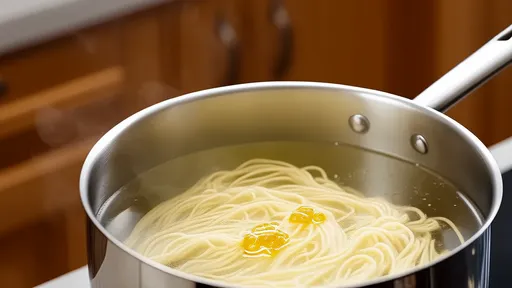
Some culinary traditionalists argue this method adds unnecessary steps to what should be simple stir-frying. However, the dramatic improvement in texture and consistency convinces most skeptics after one trial. Modern interpretations of the technique have evolved – some cooks use water-blanching or steam as alternatives to oil, though these methods don't provide quite the same texture benefits. Health-conscious adaptations might use less oil or substitute with broth, accepting slightly different results.
Mastering this technique requires attention to several details beyond just the cooking process. Knife skills significantly impact results – uneven slices cook at different rates. The resting period between oil-blanching and final cooking shouldn't exceed 10-15 minutes or the meat begins to cool too much. Sauce viscosity matters too – thin sauces can make the dish watery, while overly thick sauces mask the perfected texture.
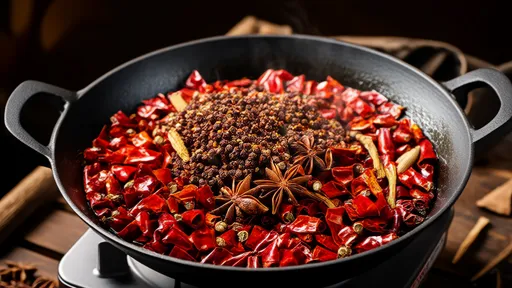
Regional Chinese cuisines have developed variations on this foundational technique. Sichuan cooking often employs intense marinades before oil-blanching to create layered flavors. Cantonese chefs might use lower temperatures for an even more delicate texture. Fusion interpretations have adapted the method to Western ingredients like turkey or fish fillets with excellent results. The basic principle remains constant across adaptations – gentle preliminary cooking preserves what direct high heat destroys.
For home cooks frustrated with tough stir-fried meats, this professional approach offers a reliable solution. While requiring slightly more preparation and clean-up, the payoff in consistent, restaurant-quality texture makes the effort worthwhile. As with any culinary technique, perfecting oil-blanching takes practice – the first attempts might result in slightly overdone meat or oil that's not hot enough. But persistence yields delicious rewards, transforming ordinary home-cooked meat dishes into extraordinary dining experiences that rival the best restaurant offerings.
The next time a stir-fry recipe catches your eye, consider giving this two-step method a try. Your teeth will thank you as they sink into tender, juicy meat instead of laboring through another disappointing chew. Once mastered, this technique becomes second nature, elevating not just your stir-fries but all quick-cooked meat preparations. The difference between good home cooking and great professional-style dishes often lies in such small but crucial techniques – and the path to perfect texture begins with that initial pass through warm oil.
By /Jul 31, 2025
By /Jul 31, 2025

By /Jul 31, 2025
By /Jul 31, 2025
By /Jul 31, 2025

By /Jul 31, 2025
By /Jul 31, 2025
By /Jul 31, 2025
By /Jul 31, 2025
By /Jul 31, 2025
By /Jul 31, 2025
By /Jul 31, 2025
By /Jul 31, 2025
By /Jul 31, 2025
By /Jul 31, 2025
By /Jul 31, 2025
By /Jul 31, 2025
By /Jul 31, 2025
By /Jul 31, 2025
By /Jul 31, 2025
