In the world of culinary arts, the simple act of blanching vegetables can make all the difference between a vibrant, appealing dish and one that falls flat. Among the many techniques chefs swear by, two stand out for their ability to enhance both color and sheen: adding salt to preserve hue and incorporating oil to boost shine. These methods, though seemingly minor, unlock the visual potential of vegetables, turning them into eye-catching components of any meal.
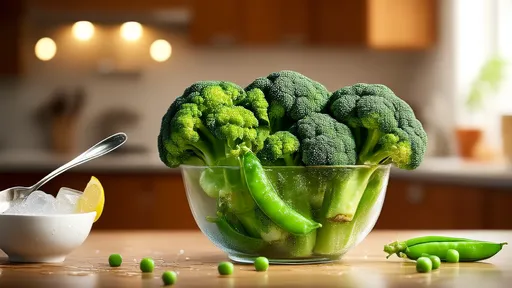
Blanching, the process of briefly boiling vegetables before plunging them into ice water, is a staple in professional and home kitchens alike. It halts enzymatic activity that leads to discoloration while preserving texture. However, the water itself plays a crucial role in the outcome. When salt is introduced to the blanching water, it does more than season—it becomes a guardian of color. The sodium ions help stabilize chlorophyll, the pigment responsible for the green in vegetables like broccoli, spinach, and green beans. This stabilization prevents the dull, olive-green shade that often appears when chlorophyll breaks down during cooking.
The science behind this is fascinating. Salt increases the ionic strength of the blanching water, which in turn minimizes the leaching of chlorophyll into the water. This means less pigment escapes the vegetable, keeping its color locked in. Additionally, salt slightly raises the water’s boiling point, allowing for a more controlled and efficient blanch. The result? Vegetables that retain their bright, natural hue, making them as visually enticing as they are nutritious.
While salt works its magic on color, oil steps in to elevate another aspect: shine. A drizzle of oil added to the blanching water or tossed with the vegetables afterward creates a delicate gloss that catches the light. This isn’t just about aesthetics—the oil forms a thin, protective layer that helps prevent moisture loss, keeping the vegetables looking fresh and plump. For leafy greens like kale or chard, a post-blanch toss with a high-quality olive oil not only enhances their luster but also improves mouthfeel, making each bite smoother and more enjoyable.
Beyond appearance, the combination of salt and oil during blanching can influence flavor and texture. Salt penetrates the vegetable’s surface, seasoning it from within, while oil can carry fat-soluble flavors, adding depth to dishes where herbs or aromatics are involved. Together, they create a harmonious balance that elevates the entire eating experience. Whether preparing a crisp salad, a stir-fry, or a standalone side, these small but impactful steps ensure vegetables don’t just taste good—they look irresistible too.
Professional chefs have long relied on these tricks, but home cooks are increasingly embracing them as well. The key lies in understanding the nuances. For instance, too much salt can overpower the natural taste of vegetables, while excessive oil may leave them greasy. Moderation is essential, as is timing—adding oil at the right moment ensures it adheres properly without weighing the vegetables down. With practice, these techniques become second nature, transforming ordinary vegetables into standout elements of any dish.
In an era where presentation is nearly as important as taste, mastering the art of blanching with salt and oil is a game-changer. It’s a testament to how small adjustments in technique can yield dramatic results. From the vibrant green of blanched asparagus to the glossy sheen of sautéed snap peas, these methods prove that beauty and flavor go hand in hand. For anyone looking to impress at the dinner table, they’re indispensable tools in the culinary arsenal.
By /Jul 31, 2025

By /Jul 31, 2025

By /Jul 31, 2025

By /Jul 31, 2025

By /Jul 31, 2025

By /Jul 31, 2025
By /Jul 31, 2025

By /Jul 31, 2025

By /Jul 31, 2025
By /Jul 31, 2025

By /Jul 31, 2025
By /Jul 31, 2025

By /Jul 31, 2025

By /Jul 31, 2025

By /Jul 31, 2025

By /Jul 31, 2025

By /Jul 31, 2025

By /Jul 31, 2025

By /Jul 31, 2025

By /Jul 31, 2025
