There’s an art to transforming tough cuts of beef into tender, melt-in-your-mouth perfection. While many home cooks struggle with chewy or dry results, the secret lies in mastering three simple yet transformative techniques: cutting against the grain, marinating with baking soda, and employing high-heat stir-frying. Together, these methods unlock a level of tenderness that rivals even the most expensive restaurant dishes.
The first step begins long before the beef hits the pan—it starts at the cutting board. Slicing meat against the grain is a game-changer that shortens muscle fibers, making each bite noticeably softer. This technique is particularly crucial for economical cuts like flank or skirt steak, which boast incredible flavor but can become unpleasantly stringy if cut incorrectly. Professional chefs have long understood that the direction of the slice matters just as much as the sharpness of the knife.
Once properly cut, the beef undergoes a chemical transformation through an ingredient likely already in your pantry: baking soda. This humble kitchen staple works as a powerful tenderizer when used correctly. A light dusting of baking soda raises the meat’s pH level, causing protein fibers to loosen and retain moisture during cooking. The result? Beef that stays remarkably juicy even when subjected to high temperatures. This trick has been passed down through generations of Chinese chefs and is now gaining global recognition.
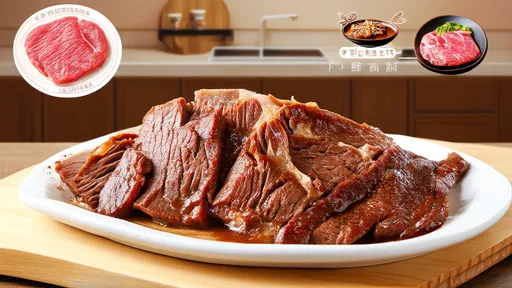
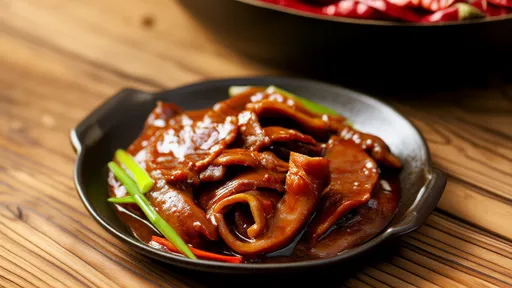
The final act occurs in a blazing hot wok or skillet, where timing becomes everything. High-heat stir-frying creates that coveted restaurant-style sear while keeping the interior tender. The key lies in cooking small batches quickly—overcrowding the pan leads to steaming rather than searing. When done right, the beef develops a flavorful caramelized exterior while maintaining a silky texture inside. This rapid cooking method preserves the baking soda’s tenderizing effects without allowing the meat to become mushy.
What makes this combination so effective is how each step addresses a different aspect of tenderness. Cutting against the grain provides mechanical tenderness, baking soda alters the meat’s chemical structure, and high-heat cooking ensures perfect textural contrast. Together, they create a symphony of texture that elevates even modest cuts to new heights. Many home chefs who’ve adopted this approach report their beef dishes now rival those from their favorite Asian restaurants.
The science behind these methods reveals why they work so well together. Muscle fibers naturally align in parallel bundles, and cutting across them makes those fibers easier to chew. Baking soda’s alkaline nature breaks down proteins and helps retain up to 5% more moisture during cooking. Meanwhile, the Maillard reaction that occurs during high-heat searing develops complex flavors that complement the tender texture. This combination of mechanical, chemical, and thermal techniques creates a multi-dimensional approach to tenderizing.
While these methods have roots in various culinary traditions, their combination represents a modern understanding of meat science. Chinese cuisine contributed the baking soda technique, Western butchery perfected grain identification, and French cooking emphasized the importance of proper searing. Today’s global kitchen benefits from this cross-cultural exchange of knowledge, allowing home cooks to achieve professional results without specialized equipment or expensive ingredients.
Adopting these techniques requires some practice but yields dramatic improvements. The most common mistake involves over-marinating with baking soda, which can leave meat with an unpleasant soapy texture. A light coating and brief 15-20 minute rest period provides optimal results. Similarly, recognizing grain direction becomes second nature with experience—look for the parallel lines running through the meat and cut perpendicular to them. With these skills mastered, even weeknight stir-fries take on a new level of sophistication.
Beyond stir-fries, these principles apply to various beef preparations. Bulgogi benefits from against-the-grain slicing, while baking soda marination improves fajitas. The high-heat approach works equally well for pepper steak or Mongolian beef. Understanding these fundamentals allows cooks to adapt techniques across cuisines and dishes, creating consistently tender results regardless of the recipe.
As more home cooks discover these methods, they’re redefining what’s possible with affordable cuts of meat. No longer resigned to slow-cooking tough cuts, modern techniques allow quick preparation of tender beef dishes any night of the week. This approach not only saves money but reduces food waste by making lesser cuts desirable. The next time a recipe calls for expensive tenderloin, consider how these three simple steps might transform a more economical alternative into something extraordinary.
By /Jul 31, 2025
By /Jul 31, 2025

By /Jul 31, 2025
By /Jul 31, 2025
By /Jul 31, 2025

By /Jul 31, 2025
By /Jul 31, 2025
By /Jul 31, 2025
By /Jul 31, 2025
By /Jul 31, 2025
By /Jul 31, 2025
By /Jul 31, 2025
By /Jul 31, 2025
By /Jul 31, 2025
By /Jul 31, 2025
By /Jul 31, 2025
By /Jul 31, 2025

By /Jul 31, 2025
By /Jul 31, 2025
By /Jul 31, 2025
